

747 topics in 68 groups, 29 of them already investigated. Use the arrow keys to move between stars, Enter to open one, and Escape to leave the map.
Nothing on the map matches that. Ask for it in the notes →
Toggle constellations for the full chart · dimmer stars = upcoming investigations
α–ο marks each cluster’s primary star
Fig. 01— S1 constellation mapHover a star to identify
A podcast by Dr. Azka Afzal, MD
Decoding
diseases
differently.
Every episode begins with a claim you have already heard — from a friend, a feed, or the back of a bottle. Then we go to the literature and read it out loud, trial by trial, until the claim either holds or it doesn’t.
Latest investigation

Season One · Latest
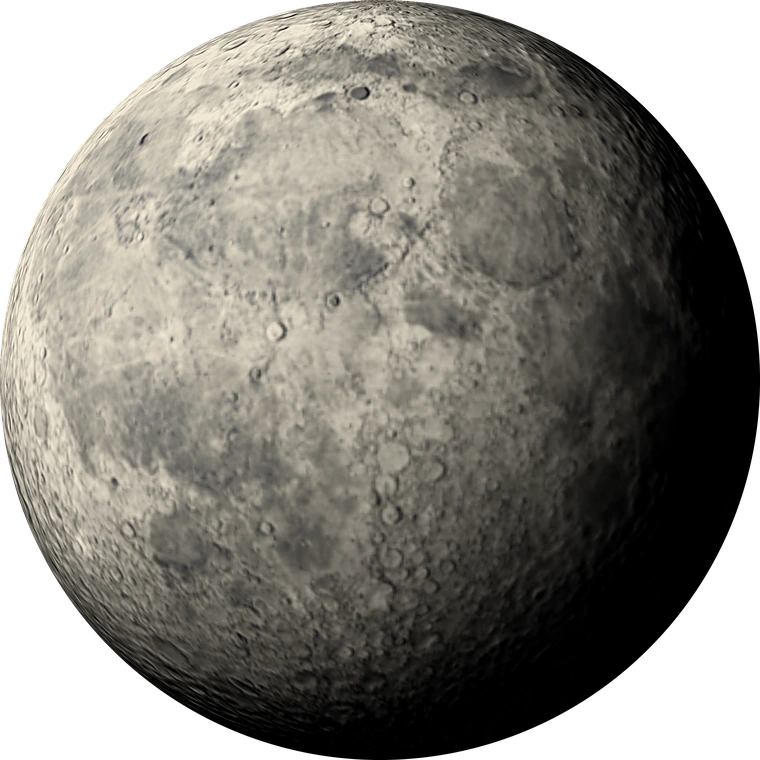
Named for the Moon
An essential nutrient and a recognised poison, and a narrower gap between them than almost anything else you can buy.
- The claim
- “Selenium is a powerful antioxidant that prevents cancer, supports your thyroid and strengthens your immune system. It’s an essential mineral — most people don’t get enough.”
- The evidence
Selenium is unambiguously essential. The human genome encodes 25 selenoproteins, each built around selenocysteine — an amino acid inserted when the cell reads the UGA codon, which normally means stop, as an instruction to continue. Among them are the glutathione peroxidases, the thioredoxin reductases, and the deiodinases that convert thyroid hormone T4 into active T3.
Severe deficiency causes real disease. Keshan disease, an endemic cardiomyopathy across a selenium-poor belt of China, was prevented by sodium selenite. In selenium-deficient mice, a benign strain of coxsackievirus acquired six nucleotide changes and became virulent — and the mutated virus then damaged the hearts of selenium-adequate mice. It was the first demonstration that a nutritional deficiency could drive a viral genome.
- The verdict
- Essential, and almost never the thing you are short ofSelenium is essential, the deficiency diseases are real and severe, and none of that is an argument for the bottle. The distance between the intake that saturates your selenoproteins and the intake that starts causing harm is one of the narrowest of any nutrient, and if you live in North America you are almost certainly already on the far side of the first line. The cancer-prevention claim has been tested properly, in 35,533 men, and it failed; the same trial found that in men who already had plenty, supplementation raised high-grade prostate cancer by 91%. The diabetes signal is small but it is consistent and it has now shown up in both randomised and observational data. I am not going to pretend the biochemistry is not beautiful — a cell that reassigns a stop codon to build a protein is one of the most elegant things in molecular biology, and selenium sits at the front of your thyroid hormone conversion and your peroxide defences. But elegance is not a reason to take something, and ‘essential’ is not a synonym for ‘more is better’. The one place I would defend it is mild Graves’ orbitopathy in a population with low baseline status, for six months, as tested. Everywhere else, the honest answer is to measure first and, for most people reading this, not to start.
- Filed under
- Supplements · Oncology · Metabolic
The index
Season one, in order
| No. | Investigation | Sources | Runtime | Status |
|---|---|---|---|---|
| 001 | The Turmeric ProblemOver a hundred trials, and still no clean answer | 9 | — | Published |
| 002 | Berberine and the Metformin QuestionSame target as the drug. A fraction of the funding. | 24 | — | Published |
| 003 | Melatonin Is Not a Sleeping PillThe dose almost everyone gets wrong, and the label that cannot be trusted | 11 | — | Published |
| 004 | Red Yeast RiceThe supplement that contains a statin, and the label that will not say so | 3 | — | Published |
| 005 | Ashwagandha and the Cortisol StoryHow one hormone became a marketing category | 9 | — | Published |
| 006 | The Fluoride DecisionA quarter of a tooth, and everything it was traded for | 23 | — | Published |
| 007 | What the Slide Cannot SayThree parasites cause cancer. Nobody is checking for a fourth. | 25 | — | Published |
| 008 | Named for the MoonAn essential nutrient and a recognised poison, and a narrower gap between them than almost anything else you can buy. | 21 | — | Latest |
A second way into the same evidence. Open an element and you get its orbitals drawn from the wavefunction, what it does in the body, where the dose–response turns and what to measure. Open a compound and you get its structure, and the same structure in three dimensions to turn in your hand — each with the investigation that took it apart.
The method
The same four questions, every episode.
There is no shortage of opinion about natural treatments. There is a shortage of people willing to sit down with the actual trials and say plainly what they found. That is the entire job of this show.
- Step 01
The claim
We start exactly where you did — a bottle, a headline, or a friend who swears by it. Stated in its strongest form, not its weakest.
- Step 02
The literature
Every trial we can find, including the small ones, the null ones, and the ones that were never written up.
- Step 03
Cross-examination
Who paid for it. How many people. For how long. And what was actually measured, versus what got reported.
- Step 04
The verdict
In plain language: what it does, what it doesn’t, and precisely what evidence would change our mind.
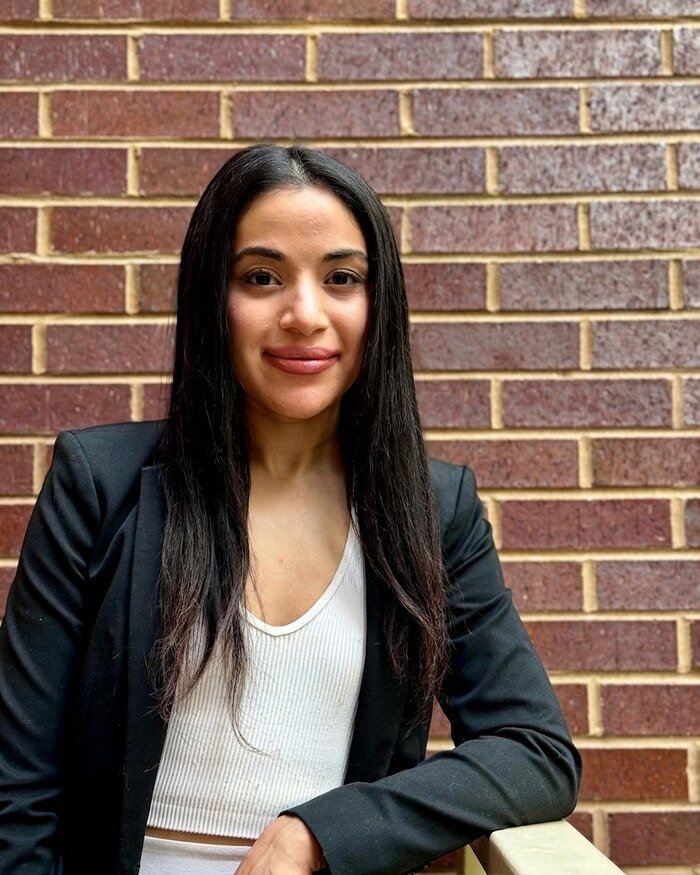
“I’m not here to sell you a supplement, and I’m not here to talk you out of one. I’m here to explain the studies out loud.”Dr. Azka Afzal, MD — Board-certified internal medicine · Founder, TeleTonicMD
Listen & watch
Wherever you already are.